| Analyst | Bahauddin Foizee |
Sri Lanka and its ports hold significant strategic value for major regional and global powers, situated along one of the world’s busiest sea lines of communication. This makes the island a focal point for nations like China, which seeks to enhance its economic and military presence there.
Sri Lanka’s shift towards China under Mahinda
When Mahinda Rajapaksa assumed the presidency in 2005, he strengthened Sri Lanka’s ties with China. During his two terms from 2005 to 2015, he invited extensive Chinese investment in the country’s economy and defense, allowing China to gain considerable influence.
Currently, Chinese investment in Sri Lanka is estimated at around $11 billion, with $8 billion tied to the Belt and Road Initiative (BRI). Chinese companies have constructed a major seaport and are developing a $1.4 billion port city near Colombo, along with plans for power stations and expressways.
As reported by The Diplomat, China is now expanding its investment into Sri Lanka’s northern regions, focusing on plantations for rubber, tea, and coconuts. Discussions are ongoing for an additional $30-40 million investment in the plantation sector, which could lead to even more significant funding from China.
Why did Sirisena struggle to curb Chinese influence?
Following Mahinda Rajapaksa’s defeat in the 2015 presidential election, Maithripala Sirisena attempted to lessen China’s sway over Sri Lanka. He sought to strengthen ties with India and the USA and advocated for human rights and democracy.
Initially, Sirisena suspended Chinese projects due to allegations of corruption and overpricing. However, he resumed them a year later with some revised terms. Despite his early intentions to reduce Chinese influence, he realized the depth of China’s entrenchment in Sri Lanka and acknowledged the need for their investment, particularly for job creation, as Chinese firms were employing thousands of locals. The lack of conditions on Chinese investment, especially regarding human rights, also made it appealing.
Under Sirisena, Sri Lanka had to lease the Hambantota deep-seaport to China for 99 years due to its inability to repay debts, leading to accusations of “debt trap diplomacy.”
Sirisena’s political rivalry with Ranil Wickremesinghe also influenced his stance toward China. After dismissing Wickremesinghe in October 2018, Sirisena aligned more with Mahinda Rajapaksa, who had support from India during their political conflict.
Ultimately, despite his promise to pivot away from a pro-China policy, Sirisena could not fulfill this commitment, and Chinese influence continued to grow during his presidency.
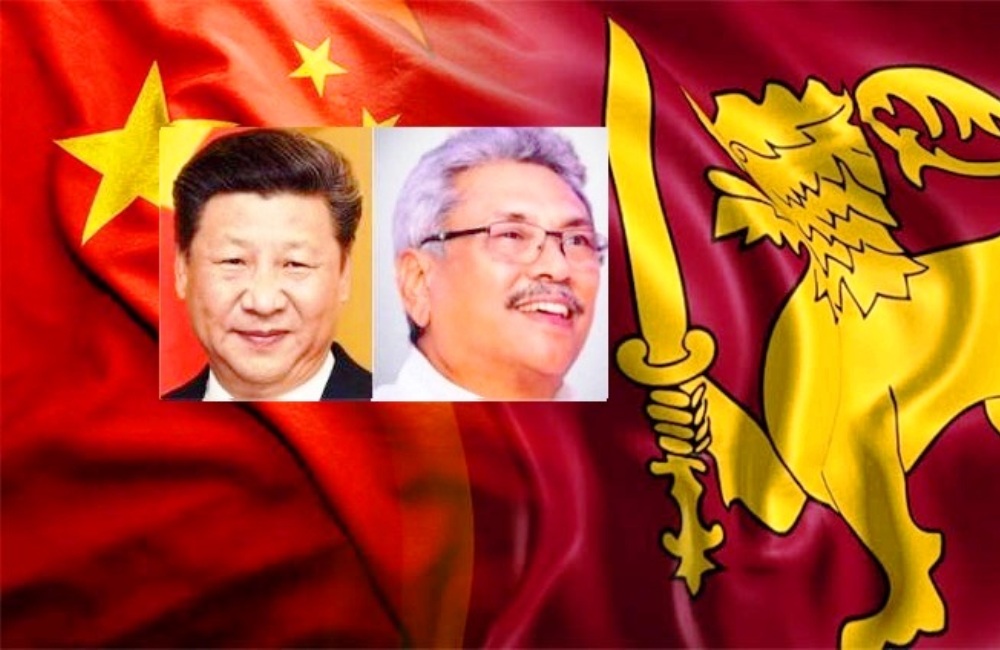
Now, with Gotabaya Rajapaksa—Mahinda Rajapaksa’s brother—having won the presidency and Mahinda returning as prime minister, it seems likely that the Rajapaksa brothers will further deepen Sri Lanka’s ties with China.




 Bahauddin Foizee
Leave a comment