| Analyst | Bahauddin Foizee |
In a significant development for U.S.-Vietnam relations, remarks from Jedidiah P. Royal, principal deputy assistant secretary of defense for Indo-Pacific Security Affairs, illuminate the burgeoning partnership between these two nations. This commentary explores the implications of their evolving ties, particularly in the context of defense cooperation and regional stability.
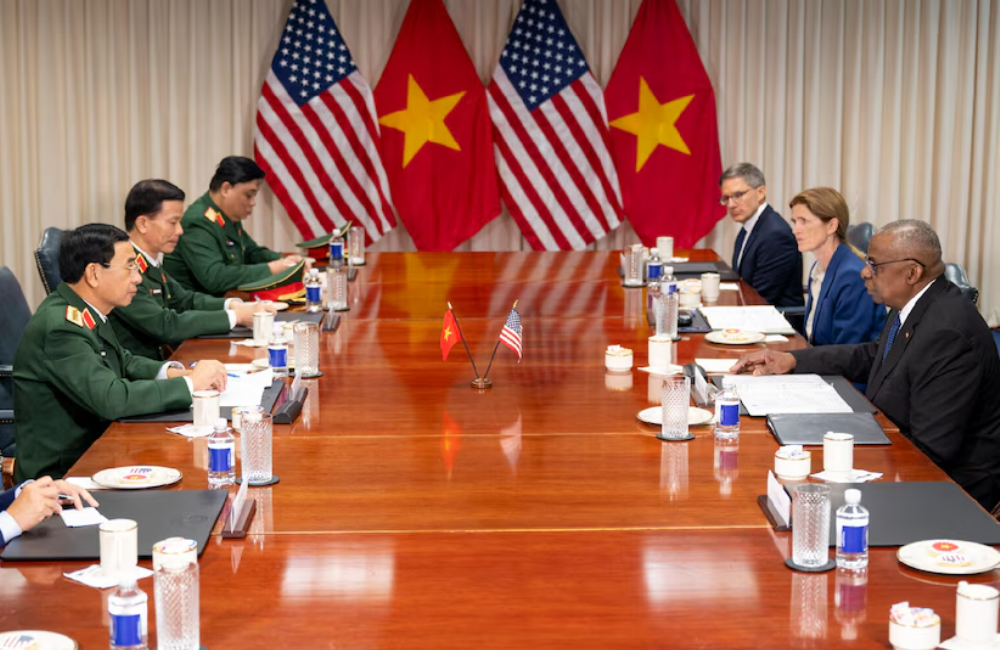
On September 9, 2023, President Joe Biden’s visit to Hanoi marked a pivotal moment, transitioning U.S.-Vietnam relations into a comprehensive strategic partnership. This initiative goes beyond mere diplomatic niceties; it emphasizes deepening economic and defense ties, reflecting a shared vision for a stable Indo-Pacific region. Secretary of Defense Lloyd J. Austin III’s reiteration of this commitment during a recent meeting with Vietnamese Defense Minister Gen. Phan Van Giang further underscores the U.S. dedication to this partnership.
A crucial aspect of this relationship is the ongoing effort to address the legacies of the Vietnam War. The U.S. has taken significant steps to reconcile with Vietnam by focusing on humanitarian issues, including the accountability of missing individuals and the repercussions of Agent Orange. Royal’s remarks on the clearing of approximately 700,000 unexploded ordnance devices exemplify the tangible measures being undertaken to foster trust and ensure the safety of local populations. Additionally, the identification and repatriation of American soldiers who lost their lives in the conflict is a poignant reminder of the shared history that now serves as a foundation for cooperation.
Vietnam’s proactive role in these initiatives reflects a mutual commitment to not only healing historical wounds but also enhancing industrial resilience and maritime capabilities. Royal highlighted the recent visits of U.S. naval vessels to Vietnamese waters as a signal of strengthened military ties. Such engagements symbolize a growing partnership in addressing security challenges in the South China Sea, where maritime tensions have escalated in recent years.
This partnership is not merely transactional; it is rooted in shared values that unite the U.S. and Vietnam. The emphasis on respect for sovereignty, the rule of law, and peaceful dispute resolution through dialogue is critical in a region often fraught with geopolitical tension. As nations in the Indo-Pacific grapple with the rise of assertive powers, fostering cooperation among like-minded states is increasingly essential.
In conclusion, the expanding defense cooperation between the U.S. and Vietnam is a promising development with implications for both regional stability and bilateral relations. As both nations navigate their historical complexities, they are forging a path toward a future characterized by collaboration, mutual respect, and a shared commitment to a rules-based international order. The journey may be fraught with challenges, but the potential for a robust partnership is undeniably on the horizon.




 Bahauddin Foizee