|Guest Contributor|Ellington Ngandu|
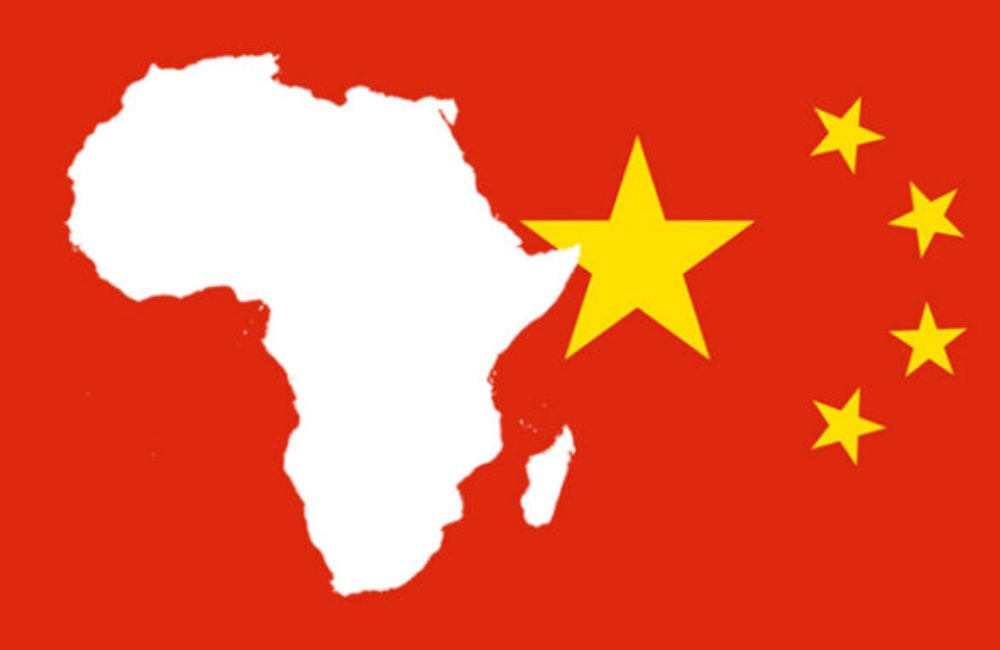
China’s $51 billion pledge to Africa, unveiled at the 2024 Forum on China-Africa Cooperation Summit in Beijing, represents a bold reaffirmation of Beijing’s ambitions on the continent. The sheer scale of the commitment—triple the amount promised just three years ago—makes clear that China is not merely continuing its engagement with Africa, but actively deepening and reconfiguring it. Promises of new infrastructure projects, green energy initiatives, and job creation paint an optimistic picture of a partnership aimed at spurring growth and modernization across African economies.
Yet beneath the surface of this generous overture lies a more complex and nuanced geopolitical narrative—one in which economic aid and investment serve broader strategic interests.
At face value, China’s offer signals support for Africa’s industrial and socio-economic development, particularly in areas that align with Beijing’s own strengths—construction, manufacturing, and increasingly, green technologies. The inclusion of 30 clean energy projects alongside the infrastructure commitments suggests a strategic positioning of China as both a developmental partner and a leader in sustainable innovation. This dovetails with its global green energy ambitions while also offering African nations access to needed technologies and expertise.
By promoting “small and beautiful” projects, China not only adapts to shifting development needs but also embeds its presence more deeply and flexibly within local economies.
However, the financial implications of such largesse cannot be separated from the political calculus. As Africa’s largest bilateral lender, China’s silence on meaningful debt relief during the summit is telling. While debt postponements offer temporary respite, they fall short of addressing the mounting debt burdens that weigh heavily on many African states. The continued accrual of Chinese-backed loans, absent corresponding relief or restructuring, raises questions about the long-term viability of this financial relationship.
The concern is not merely academic: with the continent already facing constrained fiscal space and limited access to global capital markets, further indebtedness—no matter how well-intentioned—risks entrenching dependency rather than enabling autonomy.
UN Secretary-General António Guterres’ warning about the lack of accessible debt relief mechanisms underscores the urgency of the issue. China’s offer to support the establishment of an African credit rating agency may aim to empower African economies in global financial assessments, but it does little to address immediate liquidity crises or the structural challenges of debt sustainability. The complexity of the debt landscape—with private, multilateral, and non-traditional lenders all in the mix—further complicates any path toward comprehensive and equitable solutions.
Trade, too, remains a fraught dimension of this evolving relationship. The conspicuous omission of a renewed commitment to purchasing $300 billion in African goods—an ambitious target set in 2021—suggests a recalibration of expectations or perhaps a quiet acknowledgment of past shortcomings. Sanitary and phytosanitary barriers imposed by China have reportedly stymied African exports, and without concrete steps to lower such trade hurdles, the rhetoric of mutual benefit rings hollow. Trade imbalances, already skewed in China’s favor, may deepen if investment is not paired with meaningful market access.
This latest chapter in China-Africa relations thus sits at the intersection of promise and prudence. On one hand, it presents a transformative opportunity—one that could catalyze infrastructure growth, technological transfer, and job creation at a pivotal moment in Africa’s development.
On the other, it reflects a strategic maneuver: an effort to consolidate influence, secure access to resources and markets, and project soft power in an increasingly multipolar world. Whether this initiative proves to be a genuine vehicle for African empowerment or a carefully calculated extension of Chinese leverage will depend on how both sides navigate its implementation.
Africa, for its part, must engage with this pledge on its own terms. The allure of funding and infrastructure should not eclipse the importance of transparency, debt accountability, and reciprocal trade. A truly equitable partnership will require African nations to assert greater agency in negotiations, demand clearer debt terms, and push for diversified, locally beneficial projects that extend beyond headline figures. As the continent assesses the risks and rewards of China’s historic pledge, the central question remains: will this be a turning point for Africa’s development—or merely another chapter in the continent’s long history of externally driven imperatives?




 Bahauddin Foizee