|Analyst|Bahauddin Foizee|
Reflecting on World Humanitarian Day this August 19, the ongoing Israel-Hezbollah conflict in southern Lebanon underscores the persistent humanitarian crises affecting millions globally. The conflict has forcibly displaced over 111,000 individuals, with nearly half being women. These figures encapsulate not just a crisis of numbers but the profound impact of war on human lives—families are fractured, communities devastated, and futures uncertain.
The statistics paint a dire picture. Since hostilities escalated in October 2023, more than 2,400 casualties have been recorded, including 564 deaths—tragedies that resonate deeply within the collective conscience. Among the dead are at least 133 civilians, including children, highlighting the brutal reality of modern warfare. The recent airstrike in Kfour, which claimed the lives of ten Syrian nationals, including a woman and two children, underscores the indiscriminate nature of military actions that disregard the sanctity of human life.
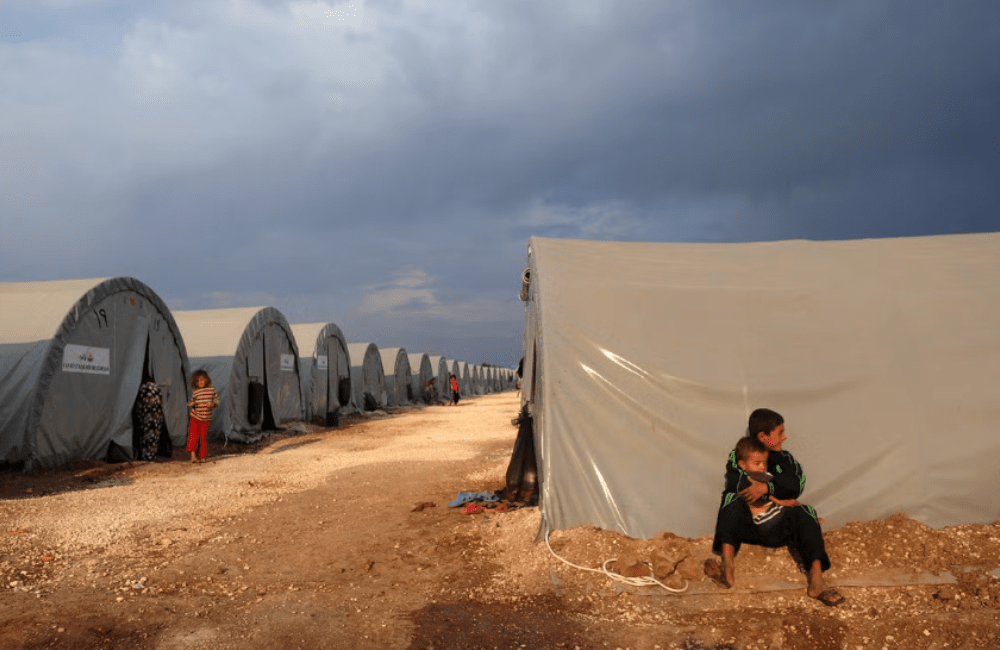
The humanitarian conditions on the ground are alarming. Nearly 150,000 people live within a perilous 10 km radius of the border, perpetually exposed to the threats of shelling and airstrikes. A staggering 78% of displaced individuals are taking refuge with host families, often in overcrowded settings that strain already limited resources. This influx not only burdens the displaced but also challenges the host families, many of whom are struggling to provide for their own needs. Among the internally displaced, 35% are children, innocent victims trapped in a cycle of violence they did not choose.
The international community’s response—or lack thereof—demands urgent scrutiny. Imran Riza, the Humanitarian Coordinator for Lebanon, has been vocal about the necessity of protecting civilians and upholding international humanitarian law. His advocacy comes at a critical moment, as strikes on ambulances and medical personnel indicate a flagrant disregard for the principles meant to shield the most vulnerable during conflict.
Despite formal complaints lodged by Lebanon against Israel for breaches of international law, the situation continues to deteriorate. A glaring lack of funding for humanitarian efforts leaves those in need without essential resources—food, shelter, and medical care are all in critically short supply. The urgency of the crisis cannot be overstated; as World Humanitarian Day serves as a reminder of shared humanity, it compels action.
This moment calls for global solidarity. The suffering in southern Lebanon is not isolated; it reflects a broader humanitarian crisis that warrants international attention and intervention. Advocacy for an immediate cessation of hostilities and the respect for the rights and dignity of all civilians is essential.
In a world where conflict often overshadows compassion, the plight of the people in southern Lebanon must not be ignored. The crisis calls for a collective response grounded in empathy and a commitment to human rights. Amplifying calls for compassion ensures that the voices of the displaced are heard, their needs are met, and their lives are restored. Urgent action is required, as the clock ticks for those caught in this relentless cycle of violence.




 Bahauddin Foizee