|Analyst|Bahauddin Foizee|
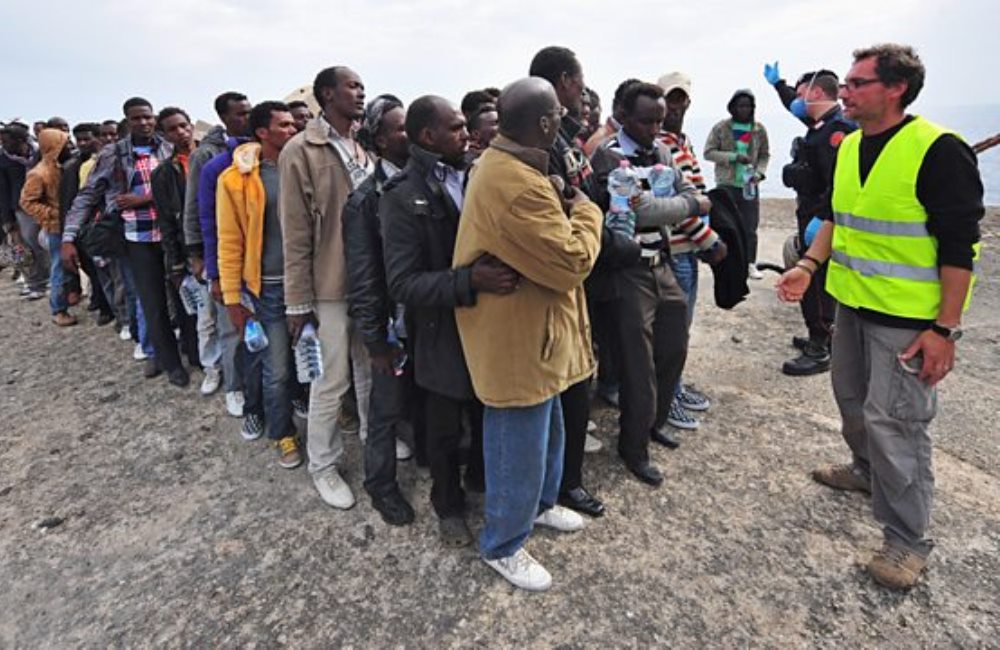
The refugee crisis in Europe, particularly regarding African refugees, compels us to confront a profound humanitarian challenge that transcends borders and demands urgent action. Each year, millions flee their homes due to conflict, persecution, and despair, undertaking perilous journeys in search of safety and opportunity. The narratives of these individuals are imbued with resilience and hope, urging us to respond not just as a moral obligation, but as a recognition of our shared humanity.
Understanding the Drivers of Migration
The reasons behind migration are complex and multifaceted. In 2021 alone, around 9.2 million people were forcibly displaced within Africa, primarily due to civil wars and authoritarian regimes. Countries like South Sudan and Eritrea exemplify this tragic reality. South Sudan’s ongoing civil war has led to staggering loss of life and a significant number of internally displaced persons, while Eritrea’s oppressive political environment drives thousands to seek asylum. These conditions, coupled with the looming threat of climate change—which could displace up to 86 million people in Sub-Saharan Africa by 2050—paint a dire picture of the challenges refugees face.
The treacherous paths many undertake to reach Europe further illustrate the desperation behind their decisions. The Mediterranean Sea has become a graveyard for thousands, with over 23,000 reported deaths since 2014. Each life lost is a testament to the harrowing circumstances these individuals escape, underscoring the courage it takes to seek a better future.
Challenges Upon Arrival
However, the challenges do not cease upon arrival in Europe. Many refugees confront convoluted legal processes, overcrowded reception centers, and a lack of access to essential services. The daunting asylum process leaves approximately 70% of refugees without adequate legal representation, and language barriers only deepen their isolation. Over 60% report difficulty in communicating with their new communities, exacerbating their sense of alienation.
Access to basic necessities—housing, healthcare, and education—is critical for successful integration. Reports of reception centers operating at triple their intended capacity highlight the urgent need for better infrastructure. Mental health support is equally crucial, as a significant portion of refugees experience PTSD and other trauma-related issues. Education is especially vital for children, yet around 1.5 million refugee children in Europe were out of school as of 2022, risking the emergence of a lost generation.
Embracing Cultural Differences
While cultural differences can pose challenges, they also offer opportunities for growth. European societies must actively invest in integration initiatives that foster mutual understanding and collaboration. Successful programs in countries like Germany and Sweden demonstrate that investment in language training, vocational programs, and mentorship can yield positive social and economic outcomes.
Combatting discrimination is essential in this context, as refugees often face biases that overlook their individuality and potential contributions. A 2020 Eurobarometer survey indicated that a significant percentage of Europeans harbor negative feelings towards migrants, underscoring the urgent need for educational campaigns that dismantle harmful stereotypes.
Collective Responsibility
Addressing the refugee crisis is a collective responsibility, requiring action from all levels of society. Local communities, NGOs, and the European Union must collaborate to create supportive systems that embrace diversity and promote inclusion. This includes advocating for humane immigration policies that facilitate family reunification and pathways to citizenship, acknowledging that these connections are vital for refugees’ well-being.
The recent proposal by the European Commission for a new asylum pact represents a step forward. However, successful implementation must prioritize humanitarian needs and respect for human rights.
Conclusion
In the face of this complex crisis, it is essential to approach the refugee issue with empathy and understanding. Behind every statistic lies a person—a person with dreams and aspirations for a better life. By extending our hands and hearts, we can foster an environment where refugees rebuild their lives and contribute positively to society.
To navigate this challenging landscape, we must recognize our moral obligation to act—not just in response to immediate needs, but also to address the root causes of displacement. By investing in comprehensive support systems, promoting cultural understanding, and advocating for inclusive policies, we can honor the dignity and resilience of those seeking refuge. Together, we have the opportunity to build a more compassionate and hopeful future for all.




 Bahauddin Foizee