|Analyst|Bahauddin Foizee|
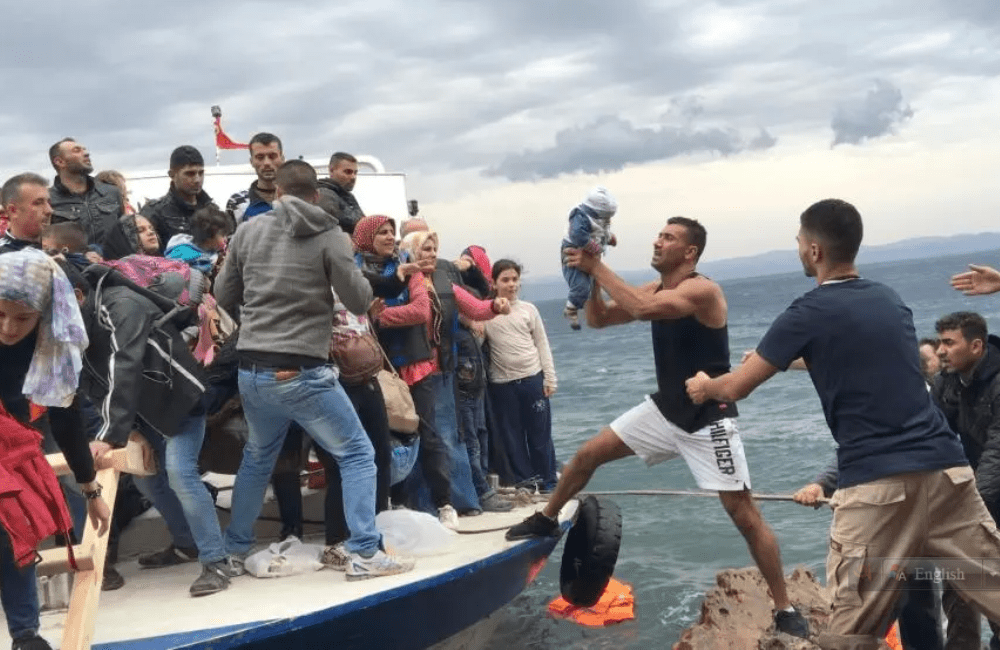
The plight of Afghan refugees stands as a stark reminder of the human cost of war and political turmoil. These individuals—citizens who fled their homeland due to years of conflict, persecution, and violence—are not merely statistics; they represent lives interrupted and futures displaced. As we examine the historical context and current status of Afghan refugees, it becomes evident that the world must not turn a blind eye to their suffering.
The roots of this crisis stretch back decades. The 1978 Saur Revolution and the 1979 Soviet invasion triggered an exodus that saw over 20% of Afghanistan’s population flee their homes. This initial wave of refugees primarily sought safety in neighboring Iran and Pakistan, but the numbers continued to swell as the internal strife intensified. By the early 2000s, more than 6 million Afghans had sought refuge abroad, escaping not only foreign interventions but also the devastating civil wars that followed.
Despite a glimmer of hope after the U.S. invasion in 2001, which saw 5.7 million refugees return between 2002 and 2012, the situation quickly deteriorated again. Today, Afghanistan remains one of the largest refugee-producing nations in the world. With over 8 million people displaced due to violence, persecution, and poverty, the consequences of decades of conflict are far-reaching. The ongoing humanitarian crisis is exacerbated by the fact that approximately 3.2 million Afghans are internally displaced, living in precarious conditions without access to basic services.
As the international community grapples with the repercussions of the U.S. war in Afghanistan, it is crucial to acknowledge the responsibilities we bear. The perception of American military operations has often been clouded by fears of civilian harm, further alienating the very populations that military interventions were intended to protect. This legacy of violence has not only resulted in millions of refugees but has also created an environment of fear and instability that continues to drive displacement.
Countries that participated in the International Security Assistance Force (ISAF) have established resettlement programs to assist Afghan refugees. Nations like Canada, Germany, and the U.S. have opened their doors, offering protections under the principles of non-refoulement and the U.N. Convention Against Torture. However, the response has been inconsistent and insufficient. The U.S., for example, has made strides in allowing refugees to become “non-citizen nationals,” yet many remain in limbo, facing bureaucratic hurdles that delay their resettlement.
The time has come for a renewed commitment to support Afghan refugees and internally displaced persons. This requires not only immediate humanitarian assistance but also long-term solutions that address the root causes of displacement. We must advocate for greater international cooperation, ensuring that countries like Iran and Pakistan, which host millions of Afghan refugees, receive the support they need.
Moreover, we must recognize the resilience of Afghan refugees and empower them to rebuild their lives. This means providing access to education, employment opportunities, and mental health support. Their contributions can help foster stability in host countries and, eventually, in Afghanistan itself.
The story of Afghan refugees is one of survival in the face of overwhelming odds. As a global community, we must respond with compassion and action, ensuring that their voices are heard and their needs addressed. The legacy of the U.S. involvement in Afghanistan cannot be written off; it is our responsibility to help heal the wounds of war. Only through concerted efforts can we hope to provide a brighter future for those whose lives have been irrevocably changed




 Bahauddin Foizee