|Analyst|Bahauddin Foizee|
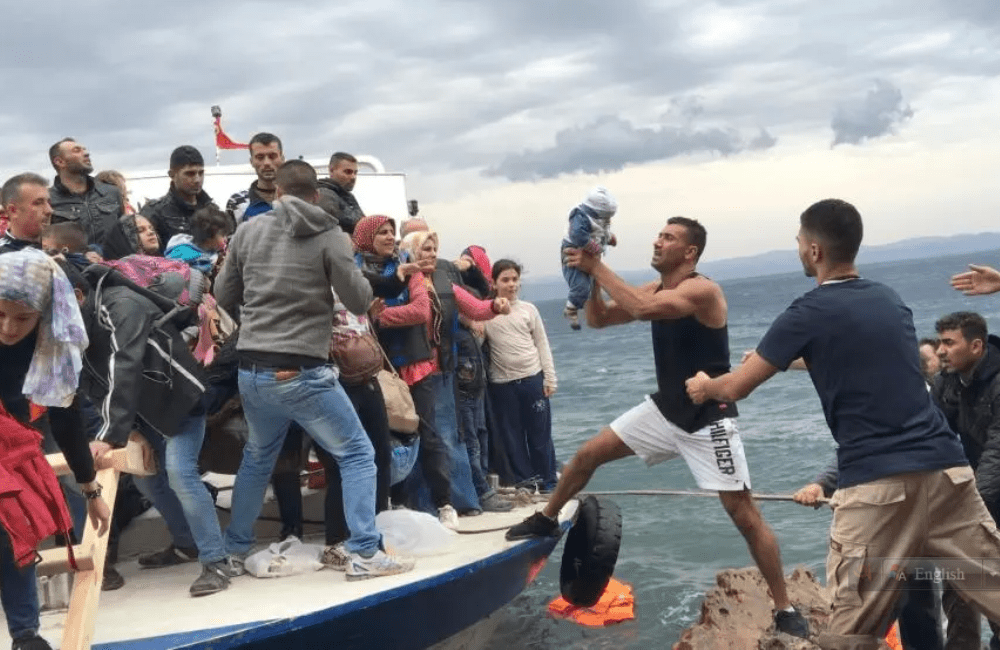
The plight of Pakistanis and Afghans seeking refuge in Europe underscores a pressing humanitarian crisis that confronts the continent’s core values and policies. Over the past decade, a confluence of conflicts, economic instability, and human rights abuses has compelled thousands to embark on treacherous journeys in pursuit of safety and opportunity. This situation not only illuminates the dire conditions in these home countries but also reveals the complexities and contradictions within European responses to migration.
The Crisis at Hand
The refugee crisis, particularly for those fleeing Afghanistan and Pakistan, is rooted in a multitude of factors. The UN High Commissioner for Refugees (UNHCR) reports that the resurgence of the Taliban, coupled with ongoing violence in Pakistan, has resulted in significant displacement. As of mid-2021, around 2.2 million Afghan refugees sought asylum worldwide, with many aiming for European shores. The urgency of their flight is often compounded by dire economic conditions and systemic human rights violations, which drive individuals to risk perilous journeys across land and sea.
Divergent Responses
European nations’ responses to the influx of these refugees are far from uniform. Countries like Germany and Sweden initially welcomed asylum seekers with open arms, implementing supportive policies aimed at integration. Germany’s acceptance of over a million refugees in 2015 serves as a notable example, where the government prioritized language acquisition and job training to facilitate the integration process. Sweden mirrored this approach, reinforcing its commitment to humanitarian principles grounded in a historical recognition of displacement.
However, the influx of refugees also strained public services and resources, leading to a political backlash. As tensions escalated, some countries began to tighten borders, reflecting the friction between the continent’s humanitarian ideals and the practical challenges of large-scale migration.
Hardline Policies and Humanitarian Implications
In stark contrast, other nations have pursued restrictive measures in response to the refugee crisis. Hungary and Poland, for example, have implemented hardline policies characterized by fortified borders and stringent asylum processes. Hungary’s government, under Viktor Orbán, has constructed physical barriers and deployed military forces to deter migrants, resulting in a dramatic decline in asylum applications.
Such hardline policies often stem from national security concerns and anxieties about cultural identity and economic impact. Unfortunately, these responses frequently neglect the humanitarian responsibilities that are enshrined in international agreements, exacerbating the suffering of those desperately seeking refuge. The European Council on Refugees and Exiles (ECRE) highlights these nations’ violations of their obligations under the 1951 Refugee Convention, raising ethical questions about the continent’s commitment to protecting vulnerable populations.
Policy Impact and EU Challenges
The European Union has attempted to manage the crisis through a mix of internal regulations and external agreements. The Dublin Regulation, which requires refugees to apply for asylum in the first EU country they enter, has disproportionately burdened frontline states like Greece and Italy. In 2020, Greece reported over 100,000 new asylum applications, placing immense pressure on its already stretched resources. The EU’s efforts to redistribute refugees among member states have often met with significant resistance, exposing deep fractures in the Union’s solidarity.
The controversial EU-Turkey deal of 2016, aimed at curtailing irregular migration by allowing Turkey to return migrants in exchange for financial aid, provides further insight into the ethical complexities of Europe’s approach. While the agreement initially reduced sea arrivals, it has drawn criticism regarding the treatment of refugees in Turkey, where many endure overcrowded and under-resourced conditions. This reliance on external partners raises troubling ethical questions about the EU’s commitment to upholding human rights.
Balancing National Interests and Humanitarian Obligations
As European nations grapple with these multifaceted challenges, striking a balance between national interests and humanitarian obligations becomes crucial. Research from the Migration Policy Institute suggests that enhancing cooperation among EU member states and providing greater support to frontline countries could lead to more sustainable solutions. Notably, public sentiment reflects a desire for a coordinated approach to asylum, with over 80% of EU citizens supporting such measures in 2022.
Ultimately, the response to Pakistani and Afghan refugees serves as a litmus test for Europe’s foundational values of compassion, justice, and human rights. The ongoing discourse surrounding asylum policies reveals a complex societal landscape, with a growing divide in public opinion. While some advocate for humane treatment and integration, others prioritize security and national identity.
Conclusion
Navigating this intricate landscape requires Europe to reaffirm its commitment to human dignity while addressing legitimate concerns of host nations. By fostering dialogue and adopting equitable policies, Europe can uphold its foundational principles amidst the crises that challenge its moral fabric. The ongoing refugee crisis is not merely a logistical issue; it is a profound test of Europe’s character, demanding compassion and pragmatism in equal measure. In this moment of reckoning, the continent has an opportunity to not only respond to the immediate needs of those seeking refuge but to reinforce its legacy as a champion of human rights and dignity in the face of adversity




 Bahauddin Foizee