|Guest Contributor|Ellington Ngandu|
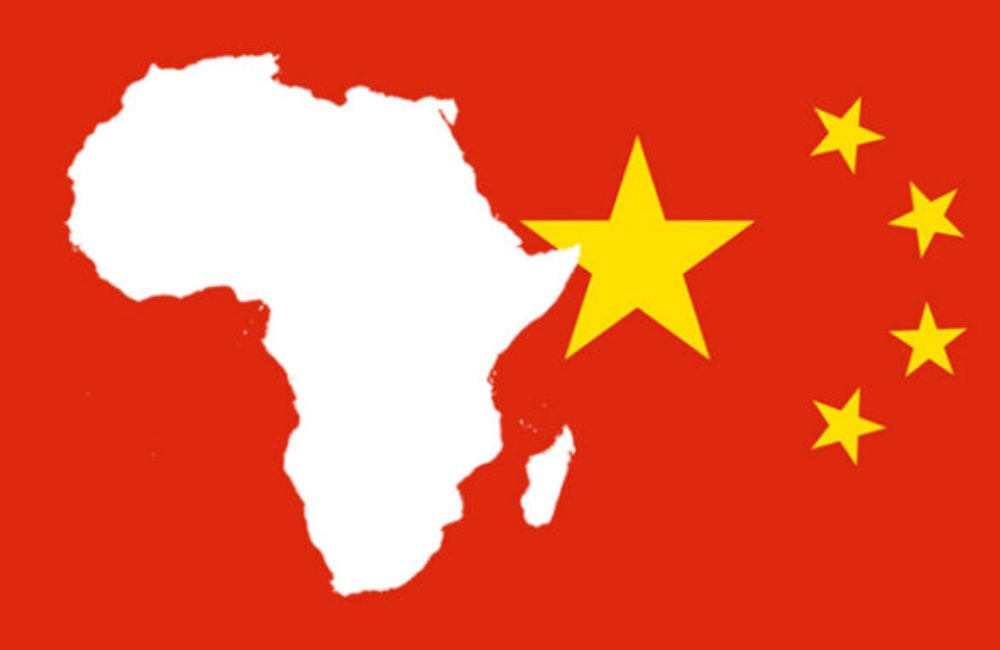
The Forum on China-Africa Cooperation (FOCAC) summit has once again spotlighted the shifting landscape of global diplomacy, where China is steadily recasting the rules of engagement with developing regions, particularly Africa. The summit’s outcomes offer a glimpse into what Beijing frames as a “new type of international relations,” one rooted in extensive financial commitments and infrastructural development, but underscored by deeply strategic objectives.
With a staggering $40 billion on the table and a portfolio that spans everything from vaccine distribution to professional training programs, China’s engagement in Africa is anything but peripheral; it is central, calculated, and clearly designed to entrench influence across the continent for decades to come.
The scale of China’s offer is impressive. Ten major connectivity projects, locally produced COVID-19 vaccines, and a new generation of trained professionals reflect an ambitious, well-rounded plan. It addresses immediate public health needs, boosts human capital, and supports long-term economic integration. But beyond the visible scaffolding of roads and clinics lies a subtler architecture of influence—one that carries expectations not formally stated but deeply felt. Through initiatives like the Dakar Action Plan, China signals that this is not charity, nor mere partnership. It is a geopolitical pact.
Indeed, African nations, many of which have long felt sidelined by Western powers or constrained by IMF conditions, may find China’s no-strings-attached model appealing at first glance. But the reality is more nuanced. The quid pro quo is unmistakable: in return for massive investment, China expects diplomatic loyalty. Support for China’s preferred narratives—on the origins of COVID-19, on the legitimacy of international boycotts, and on human rights—becomes part of the package. This shifts the relationship from pragmatic development assistance to one that verges on political alignment.
The endorsement of China’s positions in global fora may seem like a small price for billions in aid. But this sets a precedent with potentially profound implications. It nudges African countries toward a bloc-like posture in international relations, one that could erode their ability to maintain a non-aligned stance or advocate for regional interests that diverge from Beijing’s. Sovereignty, in this case, is not lost overnight but chipped away by degrees—through repeated concessions, withheld critiques, and calculated silence on contentious issues.
What is perhaps most concerning is the potential for long-term dependency. When a single foreign power becomes the primary source of infrastructure financing, healthcare support, and human capital development, the recipient country’s policy options begin to narrow. The initial influx of capital and expertise can quickly give way to structural reliance, particularly if alternative partnerships are crowded out or diminished in relevance. This could leave African nations with limited leverage, unable to diversify their diplomatic and economic engagements without jeopardizing hard-won gains.
None of this is to deny the material benefits that Chinese investment has delivered. Many African nations have seen tangible improvements in transportation, energy, and public health because of this partnership. But these gains must be weighed against the political costs that may accumulate over time. A healthy relationship with China should not preclude African countries from exercising independent judgment on global issues. Nor should it bind them to endorse Beijing’s narratives as a condition for ongoing support.
The FOCAC summit, therefore, is emblematic of a deeper shift in international relations—one where soft power is wielded through infrastructure, where aid doubles as diplomacy, and where allegiance is subtly bought, not demanded. As China’s footprint expands, African leaders must be vigilant. They must insist on partnerships that respect their autonomy, support their long-term development goals, and allow for a truly multipolar engagement with the world. The future of Africa’s international standing depends not only on what it receives from its allies, but on how carefully it navigates the expectations that come with them.




 Bahauddin Foizee