|Analyst|Bahauddin Foizee|
In 2017, the harrowing images of weary, hungry Rohingya refugees streaming into Bangladesh left an indelible mark on the global consciousness. Even today, many Rohingyas are risking their lives to escape Myanmar, believing that Bangladesh offers a safer refuge than their homeland. While the exodus may not be as large as it was back then, the dangers and horrors they face on their journey remain as severe as ever.
It is crucial to remind the international community, as well as human rights organizations and humanitarian groups, of the stark realities these refugees endure. In Myanmar’s Rakhine State, the Rohingya experienced unimaginable violence firsthand, with the Myanmar army, known as the Tatmadaw, systematically burning their homes and slaughtering their neighbors. As darkness enveloped their lives, survival became their only goal, forcing them to flee with scant provisions.
Their journey often meant enduring hunger and exhaustion, with many walking for days to reach the River Naf, where they risked swimming to cross into Bangladesh. Initially, the Bangladesh Border Guard attempted to halt their entry, yet many managed to slip through undetected. Eventually, the Bangladeshi government extended a humanitarian welcome, offering refuge as they awaited possible repatriation.
However, even in this relatively safer environment, the scars of trauma linger. Some Rohingyas reunited in the camps, but many remain separated from their loved ones, uncertain of their fates. Although hundreds of thousands found shelter in Cox’s Bazar, their lives have been irrevocably altered by the violence they fled and the hardships they continue to face in Bangladesh.
Within the refugee camps, the challenges are dire. Maternal mortality during childbirth and rampant malnutrition are rampant, with many newborns suffering from acute malnutrition, particularly those whose mothers died in childbirth. Tragically, many of these women arrived in the camps pregnant due to violence they suffered in Myanmar, with a significant number not surviving the ordeal.
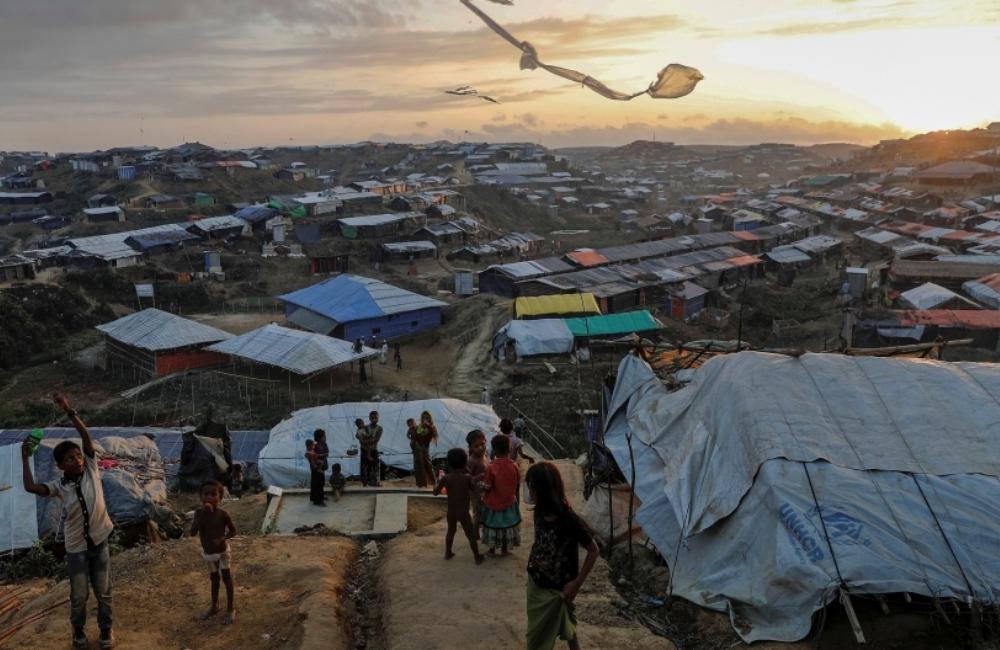
The Rohingyas live in makeshift shelters of bamboo and plastic, facing extreme temperatures and the dangers of monsoon rains. Their situation is compounded by restrictions that prevent them from working legally or leaving the camps without permission, forcing many to seek work clandestinely.
Recently, a small group of refugees was relocated to Bhashan Chor, an island developed at a cost of $350 million to house them. While it offers fresh water, electricity, and other amenities, concerns about the island’s vulnerability to cyclones and flooding persist, as does the isolation that could hinder emergency responses during disasters.
The plight of the Rohingya, often referred to by the United Nations as “the most persecuted minority in the world,” shows no signs of resolution. Lasting solutions will only emerge when they can return to their homeland with guaranteed safety, security, and citizenship rights.




 Bahauddin Foizee