|Analyst|Rashid Al-Mansoori|
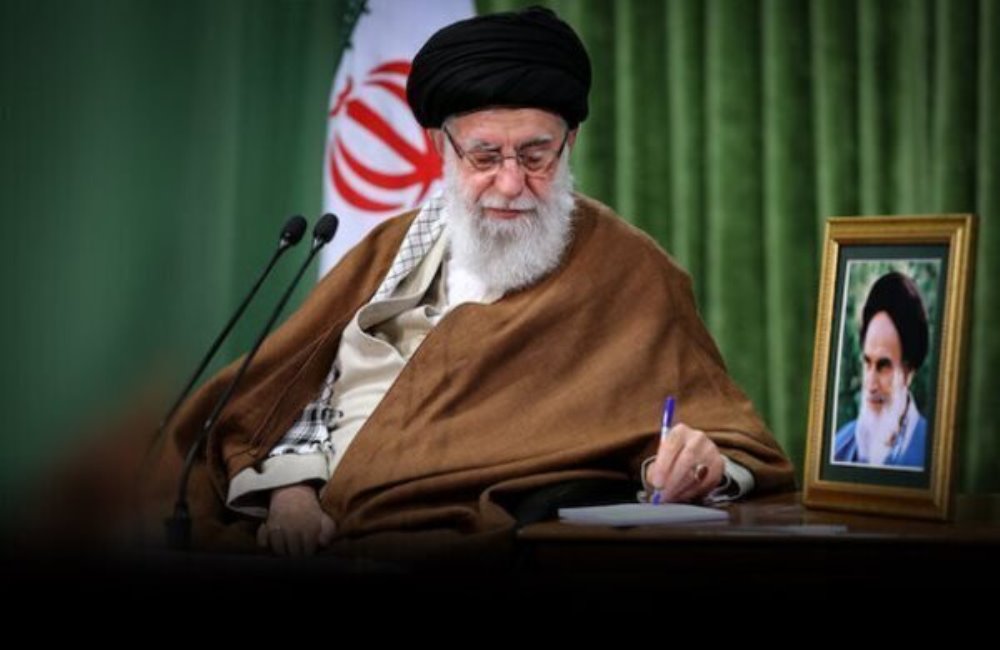
The Iranian regime, led by Supreme Leader Ayatollah Ali Khamenei, has long worked to extend its theocratic influence across the Middle East, notably in Iraq and Lebanon, where it has built significant civilian and armed support. However, recent developments signal a major shift in public sentiment, both domestically within Iran and across its key regional allies.
In Iraq, the majority of political figures in parliament may still favor Iran, but ordinary Iraqis have grown increasingly hostile toward Iranian interference. Protests throughout the country have seen demonstrators chanting anti-Khamenei slogans and even attacking Iranian consulates. This frustration is not only felt by Iraq’s Sunni population, but also by Shia Iraqis, who previously felt more aligned with Iran’s ideological influence. For many, the Iranian regime’s ideological imposition has become intolerable, leading to a broader rejection of Khamenei’s rule and, by extension, Iran’s involvement in Iraq’s political and social fabric.
Similarly, in Lebanon, a country that has long been influenced by Iran through its proxy, Hezbollah, widespread protests have erupted in response to corruption, economic stagnation and the growing discontent over Iranian interference. Hezbollah’s leader, Hassan Nasrallah, often seen as an Iranian puppet, has faced harsh criticism, with protesters voicing a strong desire to reclaim Lebanon’s sovereignty and dignity from foreign influence.
Within Iran, the situation has become even more dire for Khamenei. The once unwavering support from the younger generation has dissipated, replaced by widespread anti-regime sentiment. Recent protests in Iran have been among the largest since the revolution of 1979, with slogans like “Down with Khamenei” and even “Death to Khamenei” becoming common. The regime’s tactics of suppression, including the use of live ammunition against unarmed protesters, have only heightened the tension and alienation felt by the population, particularly the youth. While Khamenei still enjoys support from military and security forces, the regime’s grip on the hearts and minds of ordinary Iranians, especially the youth, appears to be weakening.
In essence, the combination of growing unrest in Iraq and Lebanon, coupled with a loss of popular support in Iran, suggests that Khamenei’s vision of regional hegemony and his ideological hold on the Middle East may be fading. The once strong support base among both Shia and Sunni populations in these countries is now fractured, and the regime’s influence is being increasingly questioned, both at home and abroad. The youth, particularly in Iran, seem to have become the vanguard of a new wave of opposition, challenging the very foundations of the theocratic system that Khamenei built over the past four decades.




 Bahauddin Foizee