| Analyst | Ellington Ngandu |
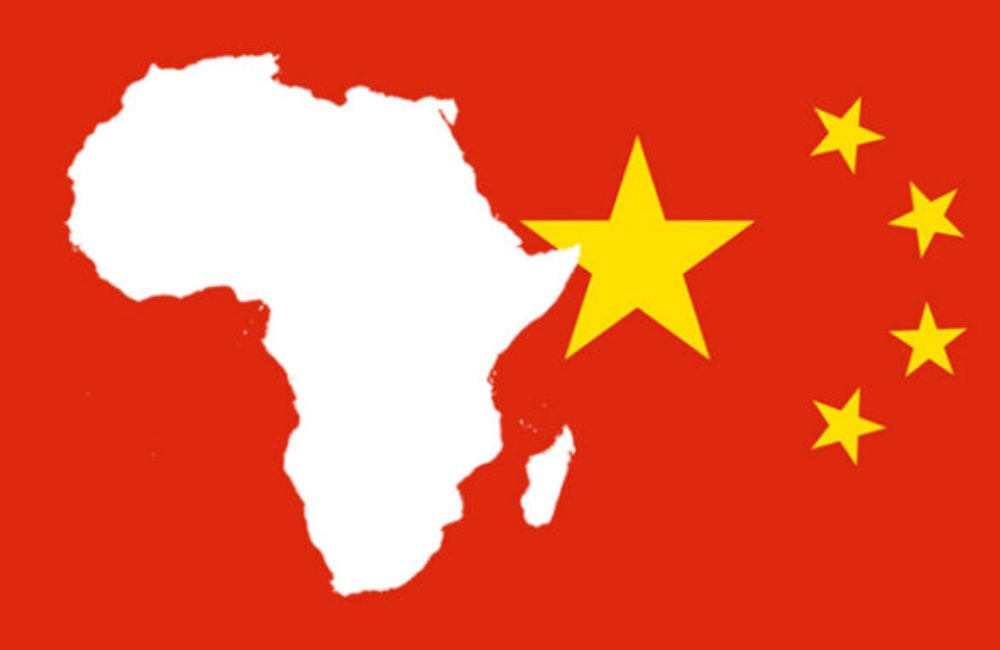
China’s expansive presence in Africa is often touted as a model of South-South cooperation, but beneath the surface of gleaming infrastructure projects and trade agreements lies a more troubling dynamic—one that many argue bears the hallmarks of a new form of colonialism. Despite growing political, economic, and diplomatic ties between China and African countries, an increasingly vocal chorus of critics point to an asymmetrical relationship that disproportionately benefits China while compromising African sovereignty, economies, and cultural identity.
China has been Africa’s largest trading partner since 2008, surpassing the United States and maintaining a dominant economic foothold across the continent. Yet, this economic integration has not come without cost. While Beijing pushes to shift its manufacturing sector from low-end to high-end products, it is simultaneously exporting its lower-tier industrial capacity to African countries. At first glance, this might appear to offer opportunities for African industrialization, but many Africans view this trend with suspicion.
The relocation of Chinese businesses into African markets is met with fear that such ventures may not benefit local communities. Instead, they might replicate exploitative labor practices, suppress wages, and displace local industries. Reports of mistreatment of African workers by Chinese firms, along with an influx of Chinese laborers filling jobs that could be held by Africans, only intensify these concerns.
Moreover, African markets are under immense pressure from a flood of inexpensive, mass-produced Chinese goods. These products outcompete local businesses, stifle entrepreneurial growth, and deepen dependency on imports. This economic imbalance, critics argue, serves the interests of a narrow group of African elites who facilitate Chinese investments while the broader population bears the brunt of market distortions and labor exploitation. The picture that emerges is one in which China consolidates influence and profit, while African economies are left with structural vulnerabilities and diminished autonomy.
Beyond the realm of economics, China’s influence has seeped into Africa’s cultural and informational spheres. Through increased cooperation in media and education, China has established a robust soft power presence. Chinese state-run media outlets like CCTV Africa and China Daily Africa offer curated narratives that serve Chinese geopolitical interests. Simultaneously, cultural institutions such as the 46 Confucius Institutes across the continent promote Chinese language and culture under the guise of educational exchange. While cultural dialogue can be enriching, critics argue that these initiatives contribute to a form of cultural hegemony that subtly erodes indigenous African identities. The prioritization of Chinese narratives, values, and cultural products over local traditions risks marginalizing African voices and reshaping cultural norms in line with Beijing’s worldview.
Taken together, China’s assertive economic strategies and cultural outreach efforts in Africa present a modern form of domination—less overt than European colonialism, but potentially just as far-reaching. This neo-colonial paradigm, driven by market leverage and ideological influence rather than military conquest, poses serious questions about the future of African agency, development, and identity. If left unchallenged, it could result in a continent increasingly shaped by external interests, with national sovereignty and cultural diversity compromised under the weight of an emerging superpower’s global ambitions.




 Bahauddin Foizee