|Analyst|Rashid Al-Mansoori|
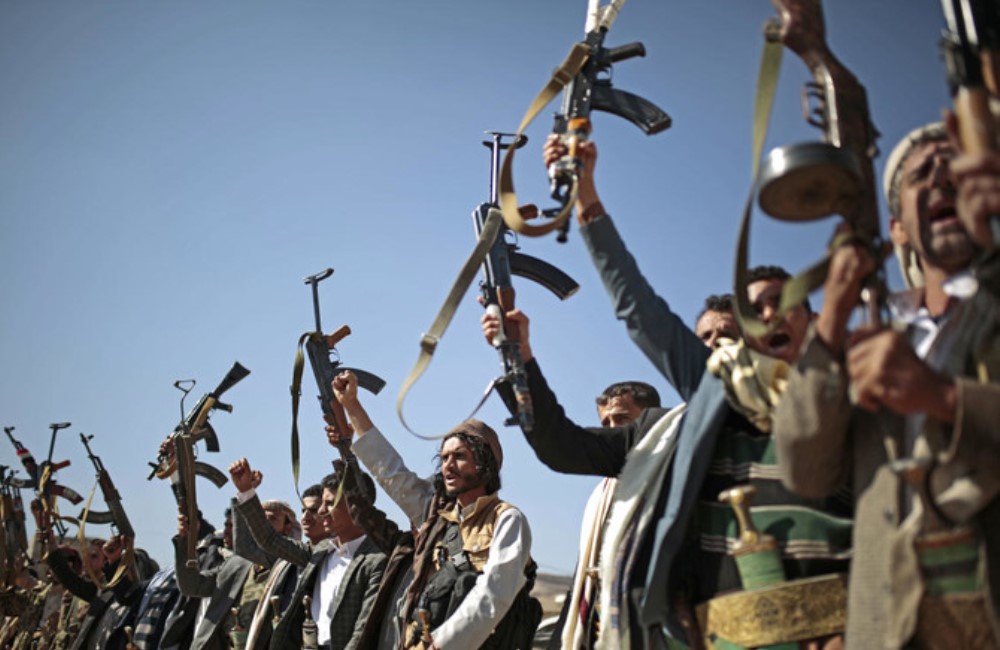
The ongoing conflict in Yemen, now entering its fifth year, stands as one of the most severe humanitarian crises of the 21st century. The war, which pits Iranian-backed Houthi militants against the Saudi-led Arab coalition supporting the Yemeni government, has cost tens of thousands of lives, decimated infrastructure and pushed millions to the brink of famine. With around 80 percent of the population in desperate need of aid and widespread outbreaks of diseases like cholera, the suffering is nothing short of catastrophic.
The root of the war traces back to 2014, when the Houthi militants, without a mandate from the Yemeni people, seized the capital, Sanaa. This aggressive move led the Yemeni government to call upon its Arab allies for support, triggering the intervention of Saudi Arabia and the UAE. Since then, the conflict has spiraled, with no clear path to peace in sight. The involvement of external powers—Saudi Arabia, the UAE and Iran—has fueled the war, prolonging its devastating effects. Western support for the Arab coalition and Iranian weapons shipments to the Houthis have perpetuated the violence, ensuring that both sides have the resources to continue fighting, further exacerbating the humanitarian disaster.
The situation has become increasingly dire, with the most vulnerable populations, especially pregnant women and children, bearing the brunt of the suffering. With widespread food insecurity, malnutrition and the collapse of basic services, Yemen’s people are facing an unimaginable crisis. In addition to the civilian toll within Yemen, the conflict has spilled over into neighboring Saudi Arabia, where Houthi missile strikes on civilian targets like airports have claimed innocent lives.
The war has also been marked by severe propaganda battles. Media outlets, both in the Arab world and internationally, often present a skewed narrative depending on their political leanings. While some blame the Saudi-led coalition and its Yemeni allies, others point fingers at the Houthis and their Iranian backers. This media divide adds to the complexity of the situation, obscuring the path to a resolution.
In the end, what began as a struggle for control of Yemen’s capital has transformed into a protracted proxy war, with both regional powers and local militias vying for influence. The people of Yemen, however, continue to pay the heaviest price. They are caught in a conflict that seems destined to continue unless international actors take concrete steps toward de-escalation and peace.




 Bahauddin Foizee