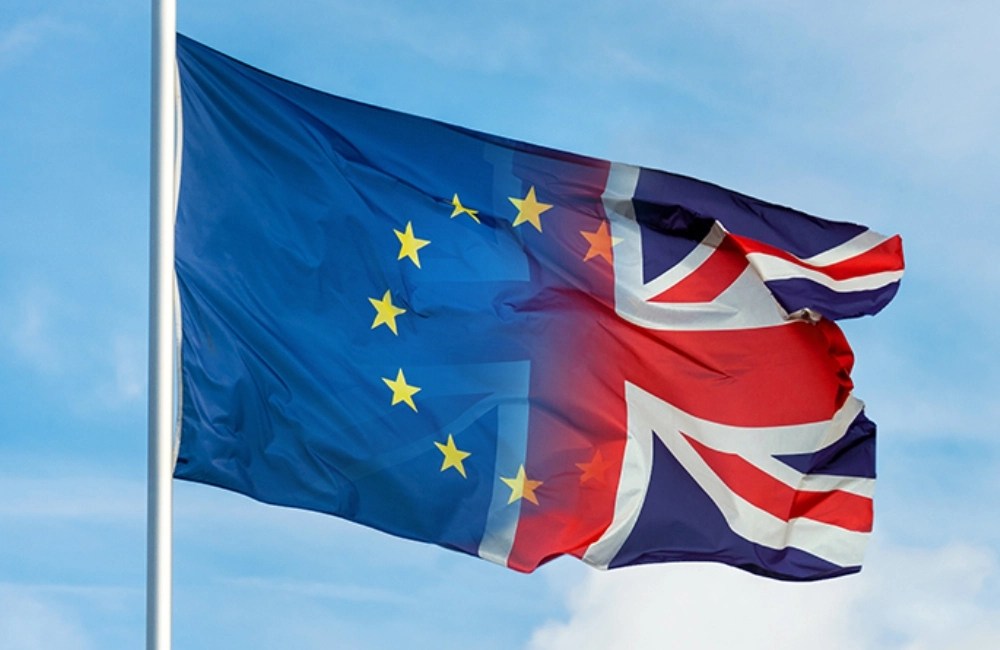
In his article published on the Oped Column Syndication, John Bruton, the former Prime Minister of the Republic of Ireland, emphasizes the commitments made by the UK regarding the Irish border as outlined in the Joint Report of December 2017, where the UK pledged to avoid a hard border and respect Ireland’s EU status, regardless of future agreements with the EU. He argues that the further the UK moves away from EU membership, the more challenging it will be to uphold these commitments.
Bruton suggests that had the UK chosen to remain in the Customs Union or joined the European Economic Area (the Norway option), many concerns about the Irish border could have been mitigated. However, the UK government prioritized potential trade deals with non-EU countries and limiting EU immigration over its relationship with Ireland.
He points out that future trade agreements with countries outside the EU are unlikely to provide immediate benefits comparable to maintaining peace and good relations in Ireland. Additionally, he notes that concerns over EU immigration are diminishing as the economies of central European countries improve, reducing the likelihood of emigration to the UK.
Bruton warns that pursuing a Canada or Ukraine-style deal would exacerbate the Irish border issue, potentially imposing tariffs that could harm the all-Ireland economy and undermine the Belfast Agreement. He urges the Conservative Party to focus on preserving the peace established by the Belfast Agreement and EU treaties.
The article also addresses the challenges the UK government will face in negotiating its future relationship with the EU, particularly regarding credibility. Suggestions from UK Cabinet members that the UK might disregard a Withdrawal Treaty after leaving could lead to mistrust from the EU. Furthermore, the UK’s proposals might require the EU to relinquish control over trade borders, which could be problematic, especially if the UK Parliament retains the option to opt out of certain regulations.
Bruton concludes by highlighting the difficulties in gaining consensus for any deal, as even a single dissenting vote from one of the 27 EU member states could derail negotiations, recalling the challenges faced in previous trade agreements with Canada and Ukraine.




 Bahauddin Foizee